Integrative Manual Therapy Training: A Comprehensive Guide
IMT training empowers clinicians with advanced skills‚ achieving optimal patient outcomes through a blend of online and in-person learning components.
What is Integrative Manual Therapy (IMT)?
Integrative Manual Therapy (IMT) represents a highly skilled‚ comprehensive approach to rehabilitation‚ focusing on achieving optimal outcomes for individuals experiencing musculoskeletal pain or dysfunction. It’s a patient-centered methodology that blends advanced diagnostic technologies – like Electromyography (EMG)‚ Nerve Conduction Studies (NCS)‚ and Musculoskeletal Ultrasound Imaging (MSKUS) – with specialized manual techniques.
Becoming a Certified Orthopedic Manual Therapist (COMT) through IMT signifies a commitment to evidence-based practice and a deep understanding of the interconnectedness of the body’s systems. The training emphasizes a holistic view‚ considering the autonomic nervous system’s role in pain and dysfunction. IMT isn’t simply about treating symptoms; it’s about identifying and addressing the root causes of movement impairments‚ leading to lasting improvements in function and quality of life.
The Core Principles of IMT
Integrative Manual Therapy (IMT) is built upon several foundational principles. A primary tenet is the biomechanical assessment‚ utilizing palpation skills to identify restrictions and imbalances within the musculoskeletal system. However‚ IMT extends beyond purely mechanical considerations‚ deeply integrating the function of the autonomic nervous system.
The approach emphasizes a thorough understanding of fascial connections and their impact on movement. Myofascial release techniques are central‚ alongside precise joint mobilization and manipulation. Crucially‚ IMT prioritizes individualized treatment plans‚ informed by advanced diagnostic tools like EMG and MSKUS. The goal isn’t simply symptom reduction‚ but restoring optimal movement patterns and addressing the underlying causes of dysfunction‚ fostering long-term wellness.
Historical Development of Integrative Manual Therapy
Integrative Manual Therapy (IMT) represents an evolution in manual medicine‚ drawing from diverse traditions. While rooted in classical osteopathic principles and physical therapy techniques‚ IMT distinguishes itself through its comprehensive integration of diagnostic technologies and neurophysiological understanding.
The modern framework of IMT is largely attributed to the work of pioneers like Dr. Dimitrios Kostopoulos‚ a Board-Certified practitioner who championed a holistic approach. This involved incorporating Electromyography (EMG)‚ Nerve Conduction Studies (NCS)‚ and Musculoskeletal Ultrasound (MSKUS) to refine assessment and treatment strategies.
Over time‚ IMT has moved from a niche approach to a recognized specialization‚ with dedicated training programs and a growing body of clinical evidence supporting its effectiveness.
Becoming a Certified Orthopedic Manual Therapist (COMT)
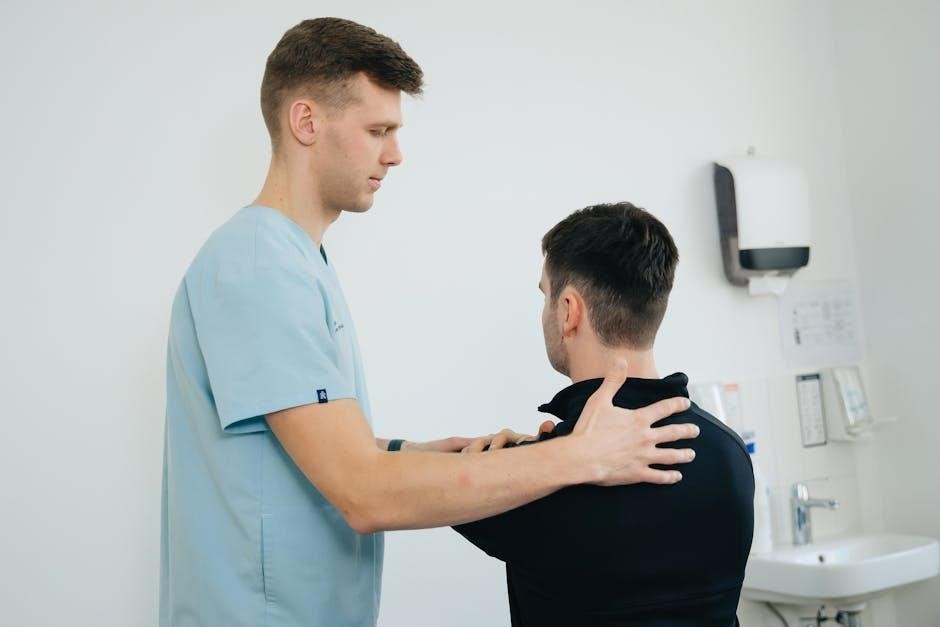
COMT certification signifies a high level of clinical proficiency‚ achieved by successfully completing rigorous online and practical examinations in orthopedic manual therapy.
Prerequisites for IMT Training
Embarking on the journey to become a certified Integrative Manual Therapist requires meeting specific prerequisites designed to ensure a strong foundation for advanced learning. Typically‚ candidates must possess a current and valid license in a healthcare profession – this includes Physical Therapists‚ Occupational Therapists‚ Chiropractors‚ and Physicians.
Successful applicants demonstrate a commitment to ongoing professional development and a solid understanding of anatomy‚ physiology‚ and biomechanics. Prior experience in manual therapy techniques is beneficial‚ but not always mandatory‚ as the IMT curriculum builds skills progressively. A dedication to patient-centered care and a willingness to embrace innovative diagnostic and therapeutic approaches are also crucial attributes for prospective IMT practitioners.
The Online Written Examination
Successfully completing the Integrative Manual Therapy (IMT) training program culminates in a rigorous assessment process‚ beginning with the Online Written Examination. This comprehensive exam evaluates a candidate’s understanding of IMT principles‚ advanced diagnostic technologies like Electromyography (EMG) and Musculoskeletal Ultrasound (MSKUS)‚ and the application of specific techniques.
The examination is administered online‚ offering flexibility and convenience for candidates. It covers a broad spectrum of topics‚ including myofascial release‚ joint mobilization‚ and the interplay between the Autonomic Nervous System and musculoskeletal dysfunction. A passing score demonstrates a firm grasp of the theoretical foundations of IMT‚ paving the way for the crucial Practical Examination.
The Virtual or In-Person Practical Examination
Following successful completion of the Online Written Examination‚ candidates progress to the Virtual or In-Person Practical Examination. This critical component assesses the candidate’s ability to skillfully apply Integrative Manual Therapy (IMT) techniques in a real-world setting. The examination focuses on demonstrating proficiency in palpation skills‚ myofascial release‚ and joint mobilization‚ ensuring competency in patient assessment and treatment.
Candidates can choose between a virtual or in-person format‚ offering flexibility. The practical exam requires candidates to accurately diagnose and treat simulated patient cases‚ showcasing their clinical reasoning and technical expertise. Successful completion signifies readiness to practice as a Certified Orthopedic Manual Therapist (COMT)‚ delivering optimal rehabilitation outcomes for patients experiencing musculoskeletal pain or dysfunction.

IMT Curriculum & Course Structure
IMT’s comprehensive 80-credit curriculum blends 64 online credits with practical components‚ culminating in the IMT-C certification and advanced skill development.
Total Credit Hours & Continuing Education Units (CEUs)
The complete Integrative Manual Therapy (IMT) program is structured around a total of 80 credit hours‚ meticulously designed for comprehensive learning and skill development. Importantly‚ all credits earned within the program are fully approved for Continuing Education Units (CEUs)‚ facilitating professional growth and license maintenance for practitioners.

Specifically‚ 64 of the 80 credit hours are conveniently completed online and are included as part of the program membership‚ offering flexibility and accessibility. Furthermore‚ specialized courses‚ such as Integrative Manual Therapy for the Autonomic Nervous System and Related Disorders‚ provide an additional 15 CEUs. These CEUs are specifically approved for both Physical Therapists and Assistants‚ with certificates available for instant download upon completion.
Online vs. In-Person Learning Components
Integrative Manual Therapy (IMT) training strategically blends the convenience of online learning with the focused benefits of in-person instruction. A significant portion – 64 out of 80 credits – is delivered online‚ allowing practitioners to learn at their own pace and integrate studies with existing commitments. This online component is fully integrated within the program membership‚ providing accessible and comprehensive foundational knowledge.
While a substantial base is built online‚ the program also incorporates practical‚ hands-on in-person elements crucial for mastering palpation skills and advanced manual techniques. This blended approach ensures a robust understanding of both theoretical concepts and practical application‚ ultimately leading to highly skilled and confident Certified Orthopedic Manual Therapists (COMTs).
Integrated Manual Therapist — Candidate (IMT-C) Certification
Successfully completing 64 online credit hours within the Integrative Manual Therapy (IMT) program culminates in the prestigious Integrated Manual Therapist ⎼ Candidate (IMT-C) certification. This milestone signifies a solid foundation in the core principles and foundational techniques of IMT‚ demonstrating a commitment to advanced orthopedic manual care.
The IMT-C designation acknowledges a practitioner’s progress towards full COMT certification‚ showcasing dedication to ongoing professional development. These credits are fully approved for Continuing Education Units (CEUs)‚ supporting license maintenance and career advancement. Achieving IMT-C status is a valuable step‚ preparing therapists for the practical examination and ultimately‚ providing enhanced patient care.
Advanced Diagnostic Technologies in IMT
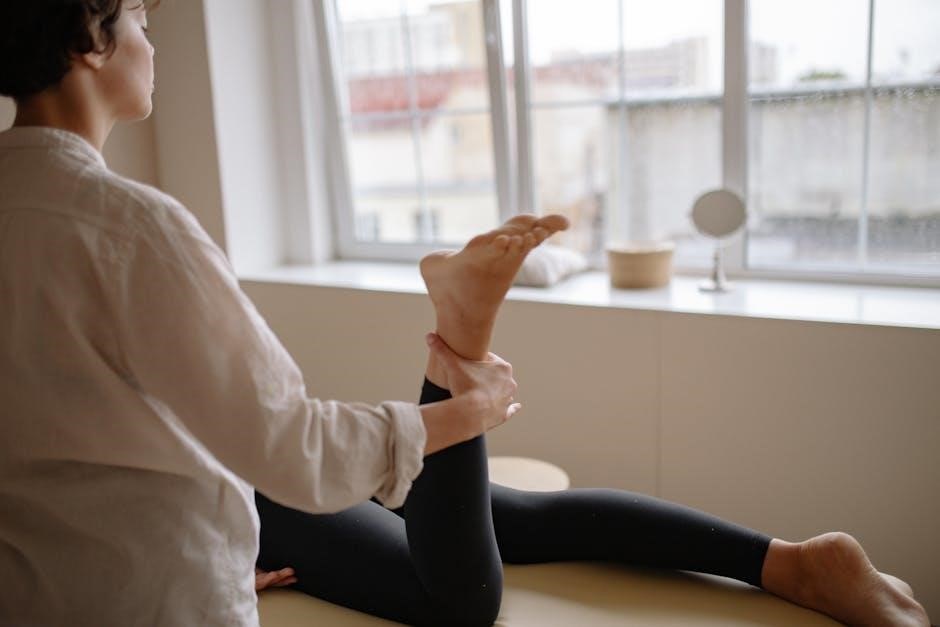
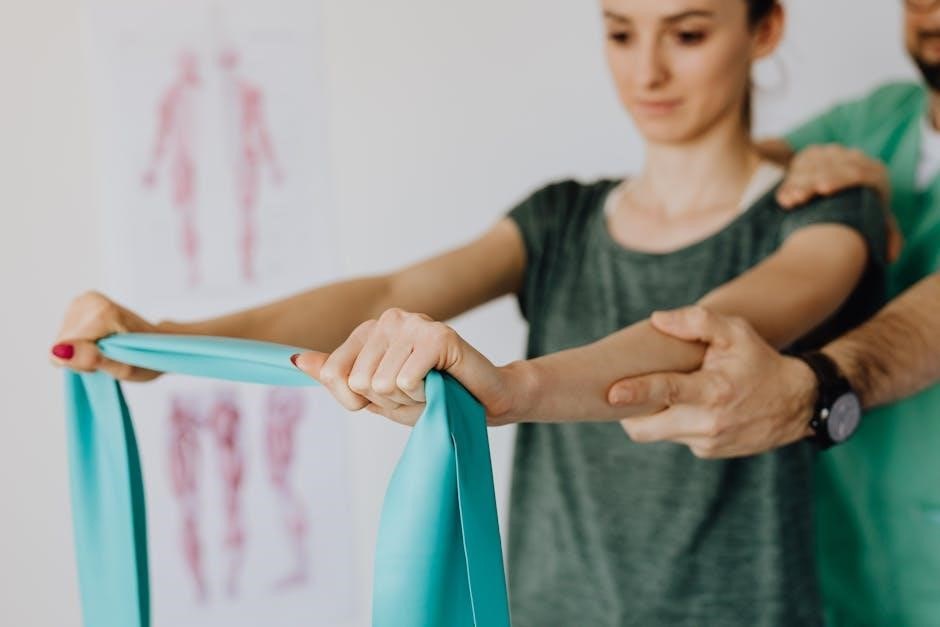
IMT leverages Electromyography (EMG)‚ Nerve Conduction Studies (NCS)‚ and Musculoskeletal Ultrasound Imaging (MSKUS) for precise assessment and targeted treatment plans.
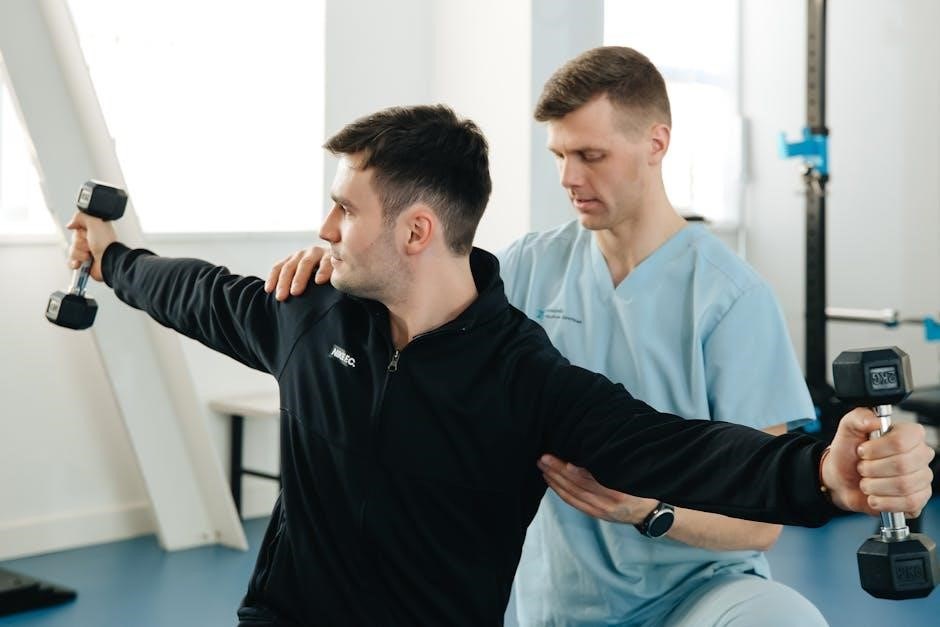
Electromyography (EMG) in IMT Assessment
Electromyography (EMG) plays a crucial role in Integrative Manual Therapy (IMT) assessment‚ providing valuable insights into neuromuscular function. This diagnostic tool measures the electrical activity produced by skeletal muscles‚ helping clinicians identify impairments contributing to pain and dysfunction.
During an IMT evaluation‚ EMG can pinpoint specific muscle weaknesses‚ trigger point activity‚ or nerve impingements that may be overlooked through traditional methods. By analyzing muscle activation patterns‚ therapists can develop individualized treatment strategies to restore optimal movement and reduce pain. EMG biofeedback is also utilized‚ allowing patients to actively participate in their rehabilitation by learning to control their muscle activity.
Dr. Dimitrios Kostopoulos emphasizes the importance of integrating EMG findings with clinical examination to create a comprehensive understanding of the patient’s condition‚ leading to more effective and targeted interventions.
Nerve Conduction Studies (NCS) and Their Role
Nerve Conduction Studies (NCS) are essential diagnostic tools within Integrative Manual Therapy (IMT)‚ evaluating the function of peripheral nerves. These studies measure how quickly electrical signals travel through your nerves‚ identifying potential nerve damage or compression that contributes to musculoskeletal issues.
In IMT assessment‚ NCS helps differentiate between nerve-related pain and pain originating from muscle or joint sources. This precise diagnosis guides targeted manual therapy techniques to address nerve entrapments‚ such as carpal tunnel syndrome or sciatica. Identifying slowed nerve conduction velocities allows therapists to tailor interventions to improve nerve function and reduce associated symptoms.
Combined with Electromyography (EMG) and clinical findings‚ NCS provides a comprehensive neurological assessment‚ enabling clinicians like Dr. Dimitrios Kostopoulos to deliver highly effective‚ patient-specific care.
Musculoskeletal Ultrasound Imaging (MSKUS) Application
Musculoskeletal Ultrasound Imaging (MSKUS) is a dynamic and valuable component of Integrative Manual Therapy (IMT)‚ offering real-time visualization of soft tissues. Unlike static imaging‚ MSKUS allows clinicians to assess muscles‚ tendons‚ ligaments‚ and nerves during movement‚ revealing functional impairments often missed by other methods.
Within IMT‚ MSKUS aids in identifying muscle strains‚ tendon tears‚ ligament sprains‚ and nerve entrapments. It guides precise palpation and treatment techniques‚ ensuring targeted interventions for optimal outcomes. Observing tissue quality and dynamic movement patterns informs the therapist’s approach‚ enhancing treatment efficacy.
Dr. Dimitrios Kostopoulos and other IMT experts leverage MSKUS to objectively monitor patient progress and adjust treatment plans accordingly‚ providing a comprehensive and evidence-based approach to musculoskeletal care.
Specific IMT Techniques & Approaches
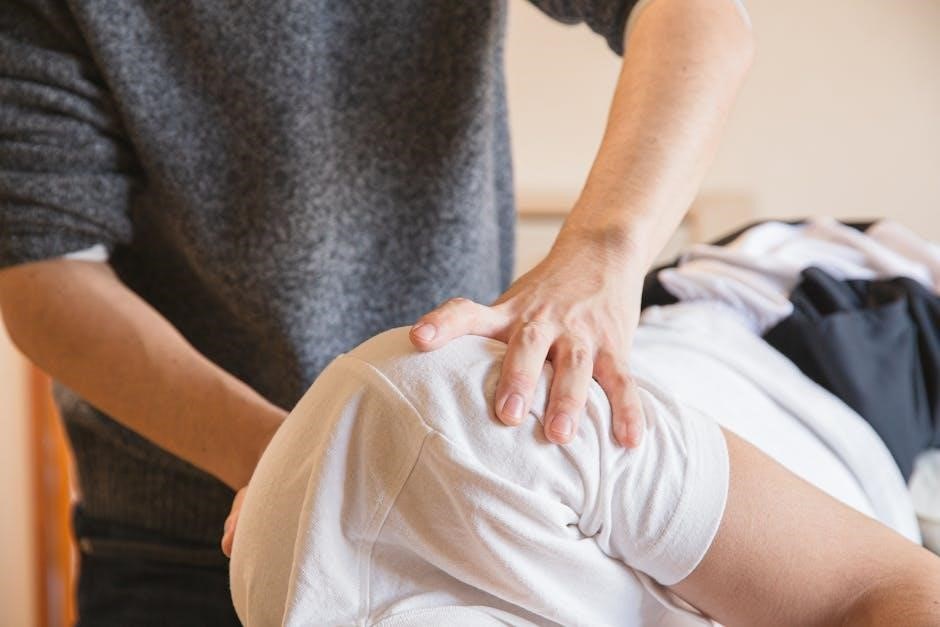
IMT utilizes refined palpation skills‚ myofascial release‚ and precise joint mobilization techniques to restore optimal biomechanics and alleviate patient discomfort.
Palpation Skills for Manual Therapists
Palpation is a cornerstone of Integrative Manual Therapy (IMT)‚ demanding highly developed tactile sensitivity. Therapists learn to discern subtle tissue texture changes‚ identifying restrictions in fascia‚ muscle‚ and joint capsules. This goes beyond simply ‘feeling’ for tenderness; it involves differentiating between various tissue types and recognizing patterns of dysfunction.
Effective palpation requires extensive practice and a deep understanding of anatomy. IMT training emphasizes precise finger placement‚ appropriate pressure modulation‚ and the ability to perceive minute movements. Therapists are taught to assess tissue mobility‚ temperature‚ and tone‚ correlating these findings with patient symptoms. Mastering these skills allows for accurate diagnosis and targeted treatment interventions‚ ultimately enhancing patient care and rehabilitation outcomes.
Myofascial Release Techniques
Myofascial Release (MFR) is a vital component of Integrative Manual Therapy‚ addressing restrictions within the body’s fascial system. IMT training delves into diverse MFR approaches‚ moving beyond generalized techniques to highly specific interventions. Therapists learn to apply sustained pressure into fascial restrictions‚ allowing tissues to lengthen and release.
The focus isn’t on forcing change‚ but rather facilitating the body’s inherent self-corrective capabilities. IMT emphasizes a comprehensive understanding of fascial anatomy and its interconnectedness. Students are trained to recognize patterns of fascial dysfunction and tailor MFR techniques to individual patient needs. This results in improved movement‚ reduced pain‚ and enhanced overall function‚ promoting a holistic healing response.
Joint Mobilization & Manipulation
Joint Mobilization & Manipulation are core skills within Integrative Manual Therapy (IMT)‚ requiring precise assessment and application. IMT training doesn’t simply teach techniques; it fosters a deep understanding of joint arthrokinematics and biomechanics. Therapists learn to differentiate between hypomobility‚ hypermobility‚ and normal joint movement patterns;
Mobilization techniques restore joint play‚ while manipulation aims to restore lost range of motion. IMT emphasizes patient safety and individualized treatment plans. Students are taught to assess contraindications and modify techniques accordingly. The goal isn’t just to “fix” a joint‚ but to restore optimal joint mechanics and integrate movement patterns‚ leading to improved function and reduced pain.
IMT for Specific Conditions
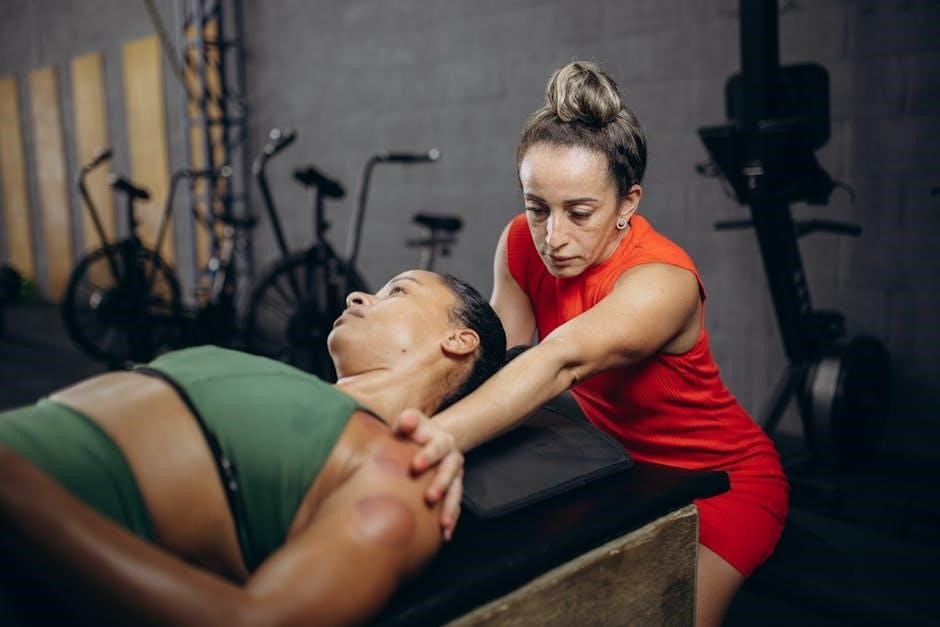
IMT effectively addresses musculoskeletal pain‚ autonomic nervous system dysfunction‚ and related disorders‚ offering clinicians versatile tools for diverse patient presentations.
IMT for Musculoskeletal Pain Management
Integrative Manual Therapy (IMT) presents a robust approach to musculoskeletal pain management‚ moving beyond symptomatic relief to address underlying biomechanical and neurological imbalances. Clinicians trained in IMT utilize advanced diagnostic technologies – Electromyography (EMG)‚ Nerve Conduction Studies (NCS)‚ and Musculoskeletal Ultrasound (MSKUS) – to pinpoint the precise sources of pain and dysfunction.
This detailed assessment informs targeted treatment strategies‚ including specialized palpation skills‚ myofascial release techniques‚ and precise joint mobilization & manipulation. IMT isn’t simply about treating the painful area; it’s about restoring optimal movement patterns and addressing the root causes of the problem‚ leading to lasting improvements in function and a reduction in chronic pain cycles. Becoming a Certified Orthopedic Manual Therapist (COMT) signifies mastery of these skills.
IMT and the Autonomic Nervous System
Integrative Manual Therapy (IMT) recognizes the profound connection between musculoskeletal dysfunction and the autonomic nervous system (ANS). Pain and movement restrictions often trigger imbalances within the ANS – the system regulating involuntary functions like heart rate‚ digestion‚ and breathing. IMT techniques‚ informed by advanced diagnostics like EMG and NCS‚ aim to modulate ANS activity‚ shifting the body from a sympathetic “fight or flight” state to a parasympathetic “rest and digest” state.
This holistic approach is crucial for managing chronic pain conditions and related disorders. COMT-certified therapists utilize myofascial release and joint mobilization not just to address structural issues‚ but to positively influence ANS function‚ promoting relaxation‚ reducing inflammation‚ and enhancing the body’s natural healing capabilities. IMT training emphasizes this vital neurophysiological link.
IMT for Related Disorders
Integrative Manual Therapy (IMT) extends its benefits beyond traditional musculoskeletal complaints‚ addressing a spectrum of related disorders influenced by biomechanical and neurophysiological factors. COMT-certified therapists apply their expertise to conditions like chronic headaches‚ temporomandibular joint (TMJ) dysfunction‚ and even certain visceral dysfunctions‚ recognizing the interconnectedness of the body’s systems.
IMT’s comprehensive assessment‚ utilizing techniques like musculoskeletal ultrasound‚ helps identify subtle impairments contributing to these complex conditions. The focus isn’t solely on symptom management‚ but on restoring optimal movement patterns and modulating autonomic nervous system activity. IMT training equips practitioners to treat the root cause‚ offering lasting relief and improved quality of life for patients with diverse health challenges‚ earning 15 CEUs for related disorders.
Resources and Further Learning
Integrated Rehab and experts like Dr. Dimitrios Kostopoulos offer premier IMT training; explore professional organizations for networking and continued education opportunities.
Leading Institutions Offering IMT Training
Integrated Rehab stands out as a premier institution dedicated to providing comprehensive Integrative Manual Therapy (IMT) training. They offer a robust curriculum designed to equip healthcare professionals with advanced diagnostic and therapeutic skills. Their programs are structured to meet the evolving needs of the field‚ focusing on both theoretical knowledge and practical application.
While Integrated Rehab is a key provider‚ other institutions may also offer components of manual therapy education. However‚ the fully integrated approach‚ encompassing advanced diagnostic technologies like Electromyography (EMG)‚ Nerve Conduction Studies (NCS)‚ and Musculoskeletal Ultrasound Imaging (MSKUS)‚ is a hallmark of the Integrated Rehab program. Prospective students are encouraged to investigate program accreditation and instructor qualifications to ensure a high-quality learning experience.
Further research into institutions specializing in orthopedic manual therapy can reveal additional options‚ but the depth and breadth of Integrated Rehab’s curriculum remain highly regarded within the industry.
Key Instructors and Experts in the Field (e.g.‚ Dr. Dimitrios Kostopoulos)
Dr. Dimitrios Kostopoulos is a highly respected figure in the field of Integrative Manual Therapy‚ recognized as a Board-Certified clinician and educator. His expertise significantly contributes to the quality of training offered at leading institutions like Integrated Rehab. Dr. Kostopoulos’s focus lies in leveraging advanced diagnostic technologies – Electromyography (EMG)‚ Nerve Conduction Studies (NCS)‚ and Musculoskeletal Ultrasound Imaging (MSKUS) – to refine assessment and treatment strategies.
Beyond Dr. Kostopoulos‚ a network of experienced manual therapists and specialists contribute to IMT education. These instructors bring diverse clinical backgrounds and a commitment to evidence-based practice. They emphasize the importance of a holistic approach‚ considering the interplay between the musculoskeletal system and the autonomic nervous system.
The dedication of these experts ensures students receive comprehensive training‚ preparing them to deliver optimal rehabilitation outcomes for patients experiencing musculoskeletal pain and dysfunction.
Professional Organizations & Networking Opportunities
Engaging with professional organizations is crucial for Integrative Manual Therapy (IMT) practitioners. These groups foster collaboration‚ knowledge sharing‚ and advocacy within the field. While specific organizations dedicated solely to IMT may be emerging‚ related associations for orthopedic manual therapy and rehabilitation provide valuable networking platforms.
Opportunities to connect with peers arise through continuing education courses‚ workshops‚ and conferences offered by institutions like Integrated Rehab. These events facilitate discussions on advanced techniques‚ diagnostic technologies – such as EMG and MSKUS – and best practices for treating musculoskeletal conditions.
Building a professional network allows therapists to stay abreast of the latest research‚ exchange clinical insights‚ and contribute to the advancement of IMT. Such connections are invaluable for career development and enhancing patient care.