
Hose Guide: A Comprehensive Metal Hose Overview (Updated 04/07/2026)
Metal hoses are engineered solutions for fluid transfer, offering durability and flexibility in diverse applications, as detailed in McGill Hose’s guide.
This comprehensive resource, published May 5, 2021, provides essential insights into selecting and utilizing these critical components effectively.
Metal hoses represent a crucial advancement in fluid transfer technology, offering a robust and adaptable alternative to traditional rubber or plastic hoses. Their inherent strength and resilience make them ideal for demanding applications across numerous industries, including automotive, aerospace, chemical processing, and oil & gas.
Unlike their polymeric counterparts, metal hoses excel in environments characterized by extreme temperatures, high pressures, and corrosive substances. The McGill Hose fitting identification guide highlights the importance of understanding these characteristics for optimal performance.
These hoses aren’t simply conduits; they are engineered systems designed to withstand mechanical stress, vibration, and thermal expansion. Their construction, utilizing flexible metallic materials, allows for movement and accommodation of misalignment, reducing strain on connected equipment. This introduction sets the stage for a deeper exploration of metal hose types, materials, construction, and proper application, ensuring longevity and safety.
What are Metal Hoses and Their Applications?
Metal hoses are flexible conduits designed to convey fluids, gases, or solids under pressure, offering superior performance compared to conventional hoses in challenging environments. They consist of a corrugated or convoluted metal core, reinforced with braided layers, and often protected by an outer jacketing.
Applications are incredibly diverse. In the automotive industry, they handle engine fluids and exhaust gases. Aerospace utilizes them for fuel and hydraulic systems. Chemical processing relies on their corrosion resistance for transferring aggressive substances. Oil & gas employs them in drilling and refining operations.
As detailed in resources like the McGill Hose guide, proper selection is vital. They are used where flexibility is needed, vibration damping is crucial, or extreme temperatures and pressures are present. Their ability to accommodate movement and misalignment makes them indispensable in dynamic systems, ensuring reliable and safe operation across a wide spectrum of industrial processes.
Types of Metal Hoses
Metal hoses are categorized based on their construction, each offering unique advantages for specific applications. Corrugated metal hoses feature a wave-like profile, providing excellent flexibility and pressure resistance, ideal for general-purpose fluid transfer.
Convoluted metal hoses, with their smooth, rounded folds, excel in applications requiring minimal flow restriction and high fatigue life, often found in automotive exhaust systems. Interlocked metal hoses are constructed by interlocking metal rings, creating a robust and highly durable hose capable of withstanding extreme pressures and temperatures.
The choice depends on the operating conditions. McGill Hose resources highlight that corrugated hoses are cost-effective, while convoluted types prioritize flow efficiency. Interlocked hoses are preferred when maximum strength and longevity are paramount, ensuring reliable performance in demanding industrial environments.
Corrugated Metal Hose
Corrugated metal hoses are a widely utilized type, recognized for their cost-effectiveness and versatility. Their defining characteristic is the wave-like, corrugated profile formed by bending a metallic strip into alternating ridges and grooves. This construction imparts exceptional flexibility, allowing the hose to bend and maneuver easily within confined spaces.
They effectively handle moderate pressures and temperatures, making them suitable for a broad spectrum of applications, including fluid transfer, gas conveyance, and vibration dampening. The corrugated design also contributes to the hose’s ability to absorb thermal expansion and contraction, reducing stress on connected components.
McGill Hose documentation emphasizes that the material selection—typically stainless steel or carbon steel—dictates the hose’s resistance to corrosion and specific operating environments.
Convoluted Metal Hose
Convoluted metal hoses distinguish themselves through a unique manufacturing process creating smooth, rounded folds – convolutions – rather than sharp bends like corrugated hoses. This results in a significantly larger bending radius and enhanced flexibility, particularly beneficial in applications demanding gentle curves and minimal stress concentration.
These hoses excel in handling high-pressure and high-temperature environments, often surpassing the capabilities of corrugated designs. The smoother internal profile minimizes turbulence and pressure drop, optimizing flow efficiency. They are frequently employed in automotive exhaust systems, engine cooling circuits, and critical industrial processes.
While generally more expensive than corrugated options, convoluted hoses offer superior performance and longevity where demanding conditions prevail, as highlighted by resources like McGill Hose.
Interlocked Metal Hose
Interlocked metal hose represents a robust construction method where individual metal strips are spirally wound and mechanically interlocked, creating a strong, leak-proof assembly. Unlike welded or brazed hoses, this interlocking design eliminates potential weld failure points, enhancing reliability and durability in extreme conditions.
This type excels in high-pressure, high-temperature, and vibration-prone applications, such as hydraulic systems, steam lines, and chemical transfer. The interlocking structure provides exceptional burst strength and resistance to fatigue. They are often preferred when dealing with aggressive media or environments where leakage is unacceptable.
While offering superior strength, interlocked hoses typically exhibit less flexibility than convoluted designs. Resources like McGill Hose detail the specific advantages of this construction for demanding industrial needs.
Metal Hose Construction & Materials
Metal hose construction involves layering core liners, reinforcement braids, and protective coverings, utilizing materials like stainless steel for optimal performance.
Common Metal Hose Materials
Metal hoses utilize a variety of materials to suit diverse application demands, each offering unique properties. Stainless steel metal hoses are exceptionally popular due to their outstanding corrosion resistance, high-temperature performance, and durability, making them ideal for demanding environments like chemical processing and food & beverage industries.
Carbon steel metal hoses provide a cost-effective solution for lower-pressure and non-corrosive applications, often found in water transfer and general industrial uses. However, they require protective coatings to prevent rust.
Alloy metal hoses, such as those made from Monel or Inconel, are employed in extremely harsh conditions involving highly corrosive chemicals or extreme temperatures where standard materials fail. These specialized alloys deliver superior resistance, ensuring long-term reliability and safety in critical processes.
Material selection is paramount for ensuring hose longevity and preventing system failures.
Stainless Steel Metal Hoses
Stainless steel metal hoses represent a cornerstone in fluid transfer solutions, prized for their exceptional resistance to corrosion and high temperatures. Commonly utilizing grades like 304 and 316 stainless steel, these hoses excel in demanding applications across industries like chemical processing, pharmaceuticals, and food & beverage.
The inherent properties of stainless steel prevent rust and contamination, ensuring fluid purity and extending service life. They are capable of handling a wide range of pressures and temperatures, offering reliable performance in challenging environments.
Furthermore, stainless steel hoses exhibit excellent flexibility, simplifying installation and reducing stress on connected components. Their durability and low maintenance requirements contribute to long-term cost savings, making them a preferred choice for critical applications.
Proper selection of stainless steel grade is crucial for optimal performance.
Carbon Steel Metal Hoses
Carbon steel metal hoses offer a cost-effective solution for fluid transfer in less corrosive environments. While not as resistant to corrosion as stainless steel, carbon steel provides high strength and durability for applications involving non-aggressive media like air, water, and certain oils.
Typically coated or galvanized to enhance corrosion resistance, these hoses are frequently used in industrial machinery, construction equipment, and automotive applications. They are well-suited for conveying fluids at moderate temperatures and pressures, offering a balance between performance and affordability.
However, it’s crucial to consider the potential for rust and corrosion when selecting carbon steel hoses, especially in humid or exposed environments. Regular inspection and protective coatings are essential to maintain their integrity and prevent premature failure.
Careful evaluation of the application is key to determining suitability.
Alloy Metal Hoses (e.g., Monel, Inconel)
Alloy metal hoses, utilizing materials like Monel and Inconel, represent the pinnacle of performance in demanding applications. These nickel-based alloys exhibit exceptional resistance to corrosion, extreme temperatures, and high pressures, surpassing both stainless steel and carbon steel capabilities.
Monel hoses excel in marine environments and chemical processing due to their resistance to seawater and acids. Inconel hoses are ideal for high-temperature applications, such as exhaust systems and aerospace components, maintaining strength and integrity under intense heat.
While more expensive than other options, alloy hoses provide unmatched longevity and reliability in harsh conditions. They are crucial where failure is not an option, ensuring safe and efficient fluid transfer in critical processes. Careful consideration of the specific chemical and thermal environment is vital for alloy selection.
These hoses are a premium investment.
Hose Components Explained
Metal hoses aren’t simply tubes; they’re carefully constructed assemblies of several key components working in harmony. Understanding these elements is crucial for proper selection and maintenance.
The inner core or liner provides a smooth, compatible surface for fluid passage, preventing contamination and corrosion. Braid or reinforcement layers, typically constructed from stainless steel, provide strength and pressure resistance, preventing expansion and bursting. The number of layers dictates the hose’s pressure rating.
Finally, the outer covering or jacketing protects the braid from abrasion, environmental factors, and personnel contact. This layer can be metal, plastic, or fabric, depending on the application’s needs. Each component contributes to the hose’s overall performance, durability, and safety.
Proper component integration ensures longevity.
Inner Core/Liner
The inner core, or liner, of a metal hose is the critical component directly contacting the conveyed fluid, demanding careful material selection for compatibility and performance. It prevents fluid permeation, contamination, and corrosion, safeguarding both the fluid and the hose itself.
Common liner materials include stainless steel, PTFE (Teflon), and other polymers, each suited to specific chemical and temperature environments. Stainless steel offers excellent chemical resistance and temperature stability, while PTFE excels in highly corrosive applications.
A smooth liner surface minimizes pressure drop and facilitates easy cleaning. The liner’s thickness and construction influence the hose’s flexibility and resistance to abrasion. Selecting the appropriate liner is paramount for ensuring long-term reliability and preventing premature hose failure.
Braid/Reinforcement Layers
Braid and reinforcement layers are essential for a metal hose’s structural integrity, providing pressure resistance and preventing expansion or contraction during operation. These layers typically consist of interwoven metal wires, commonly stainless steel, offering exceptional strength and durability.
The number of braid layers, wire gauge, and braid angle directly impact the hose’s pressure rating and flexibility. Single-braided hoses are suitable for lower-pressure applications, while double-braided constructions offer significantly increased pressure capacity.
Reinforcement can also include helical wire or fabric wraps, enhancing burst strength and resistance to kinking. Proper braid construction ensures uniform stress distribution, minimizing the risk of failure under pressure or dynamic bending. Careful consideration of these factors is crucial for selecting a hose capable of withstanding the intended operating conditions.
Outer Covering/Jacketing
The outer covering, or jacketing, of a metal hose provides crucial environmental protection and enhances its overall durability. This layer shields the braid and core from abrasion, corrosion, and exposure to harsh chemicals or extreme temperatures.
Common jacketing materials include stainless steel, PVC, or specialized polymers, each offering unique benefits. Stainless steel jacketing provides robust protection in demanding environments, while PVC offers cost-effective resistance to many chemicals.
The jacketing’s construction—whether braided, spiral-wrapped, or smooth—influences the hose’s flexibility and resistance to external damage. Selecting the appropriate jacketing material is vital for ensuring long-term performance and preventing premature hose failure in specific applications. It contributes significantly to the hose’s lifespan and reliability.

Metal Hose Fittings & Connections
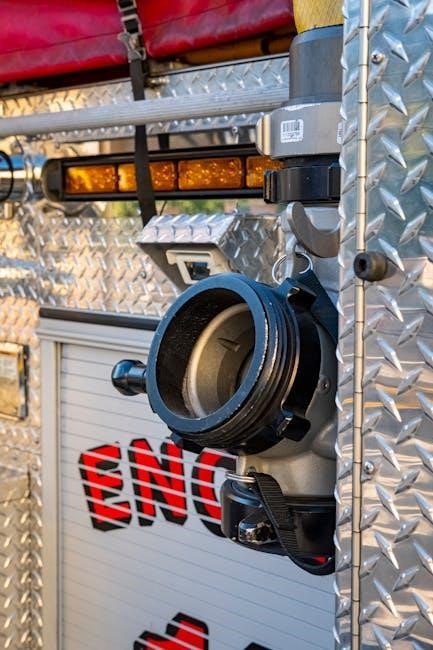
Secure connections are vital for metal hose systems, utilizing various fitting types like threaded, flanged, and quick-disconnect options for optimal performance.
Common Fitting Types
Threaded fittings represent a frequently employed connection method, offering ease of installation and versatility across numerous applications. Common standards include NPT (National Pipe Thread), BSPT (British Standard Pipe Thread), and SAE (Society of Automotive Engineers) threads, each with unique characteristics.
Flanged fittings provide a robust and secure connection, particularly suited for high-pressure and high-temperature environments. These fittings utilize bolts to clamp flanges together, creating a leak-proof seal. They are often preferred in applications demanding frequent disassembly and reassembly.
Quick-disconnect fittings offer a convenient and efficient solution for applications requiring frequent hose connections and disconnections. These fittings allow for rapid hose changes, minimizing downtime and streamlining operations. They are commonly used in industries such as automotive and manufacturing.
Understanding the nuances of each fitting type is crucial for selecting the optimal connection method for a specific metal hose application, ensuring both safety and performance.
Threaded Fittings (NPT, BSPT, SAE)
Threaded fittings are a prevalent method for connecting metal hoses, relying on tapered or straight threads to create a mechanical seal. NPT (National Pipe Thread), commonly used in North America, features a 60-degree tapered thread requiring sealant for a leak-proof connection.
BSPT (British Standard Pipe Thread), popular in the UK and former British colonies, utilizes a 55-degree tapered thread, also needing sealant. SAE (Society of Automotive Engineers) standards encompass both tapered and straight threads, often used in automotive and hydraulic systems.
Proper thread identification is vital; mixing standards can lead to leaks or damage. The McGill Hose guide emphasizes careful matching of threads and the appropriate use of thread sealant to ensure a secure and reliable connection. Correct installation prevents costly failures and maintains system integrity.
Flanged Fittings
Flanged fittings offer a robust and secure connection method for metal hoses, particularly in high-pressure and high-temperature applications. These fittings utilize a flange – a projecting rim – with bolt holes to create a strong mechanical seal when paired with a mating flange.
Flanged connections are advantageous due to their ability to withstand significant stress and facilitate easy disassembly for maintenance or inspection. They are commonly found in industrial settings where reliability is paramount.
Proper gasket selection is crucial for preventing leaks; materials must be compatible with the conveyed fluid and operating conditions. The McGill Hose resource highlights the importance of correct bolt torque to ensure a uniform and leak-free seal. Flanged fittings provide a durable and dependable solution for critical hose connections.
Quick-Disconnect Fittings
Quick-disconnect fittings, also known as quick couplings, provide a convenient and efficient method for frequently connecting and disconnecting metal hoses without the need for tools. These fittings feature a self-sealing mechanism, allowing for rapid attachment and detachment, minimizing downtime and streamlining operations.
They are ideal for applications requiring frequent hose changes, such as fluid transfer in manufacturing or testing processes. Different locking mechanisms, like twist-lock or push-lock, ensure secure connections.
Selecting the appropriate quick-disconnect fitting involves considering factors like pressure, temperature, and fluid compatibility. McGill Hose’s documentation emphasizes the importance of choosing fittings designed for the specific hose material and application to prevent leaks and ensure safe operation. These fittings enhance productivity and ease of use.
Understanding Hose Thread Identification
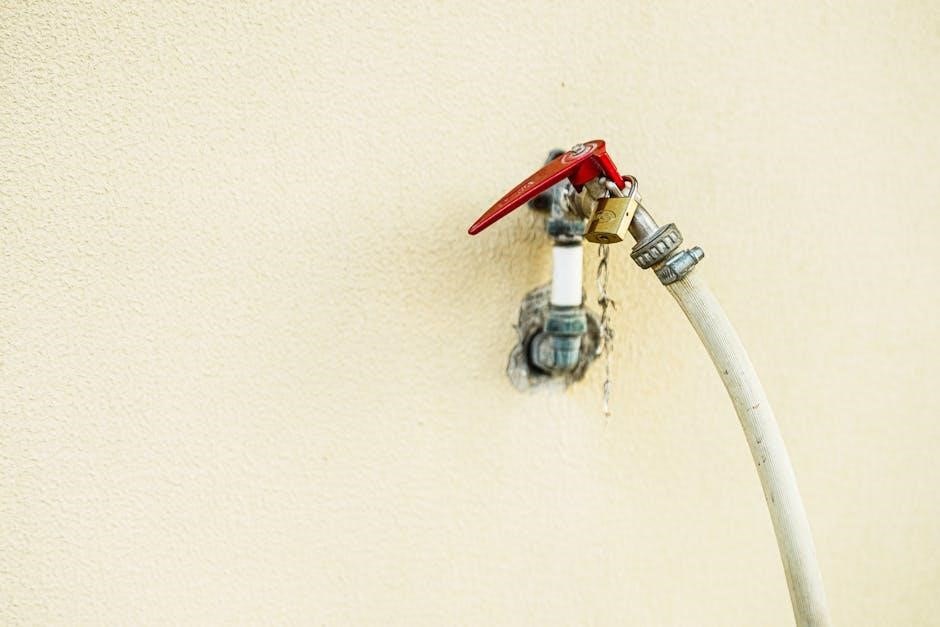
Accurate hose thread identification is crucial for ensuring proper connections and preventing leaks in metal hose assemblies. Different regions and industries utilize varying thread standards, necessitating a clear understanding of these distinctions. McGill Hose’s identification guide highlights the common thread types encountered in hose fitting applications.
Misidentifying threads can lead to damaged fittings, compromised seals, and potential safety hazards. Therefore, careful inspection and verification are essential before assembly. The guide details visual characteristics and measurement techniques to differentiate between standards.
Proper thread identification ensures compatibility and a secure, leak-free connection, maximizing the performance and longevity of the metal hose system. Utilizing reliable resources like McGill Hose’s guide is paramount for maintaining system integrity.
NPT (National Pipe Thread) Standards
National Pipe Thread (NPT) is a widely used tapered thread standard in North America for joining pipes and fittings, including those used with metal hoses. As detailed in the McGill Hose guide, NPT threads create a pressure-tight seal through their tapered design and the use of thread sealant.
NPT threads are characterized by a 60-degree flank angle. It’s important to note that NPT is a tapered thread, meaning the diameter decreases along the length of the thread. This taper is what creates the mechanical seal when tightened.
Proper application of thread sealant is vital for achieving a leak-proof connection with NPT fittings. Understanding the nuances of NPT standards, as outlined by McGill Hose, is essential for reliable and safe fluid transfer systems.
BSPT (British Standard Pipe Thread) Standards
British Standard Pipe Thread (BSPT) represents another common tapered thread standard utilized for connecting pipes and fittings, frequently encountered in metal hose applications. The McGill Hose guide highlights BSPT as a prevalent standard outside of North America, though compatibility issues with NPT can arise.
BSPT threads, like NPT, feature a tapered design to create a pressure-tight seal. However, a key difference lies in the thread angle – BSPT utilizes a 55-degree flank angle, differing from NPT’s 60-degree angle. This distinction means BSPT and NPT fittings are not interchangeable without the use of adapters.
Correct identification and application of thread sealant are crucial when working with BSPT fittings to ensure a secure and leak-free connection, as emphasized by McGill Hose’s resources.
SAE (Society of Automotive Engineers) Standards
SAE (Society of Automotive Engineers) standards define specifications for various fittings and connections, particularly relevant in automotive and hydraulic systems utilizing metal hoses. The McGill Hose identification guide acknowledges SAE standards as crucial for ensuring interchangeability and performance within these industries.
Unlike NPT and BSPT, SAE standards encompass both tapered and straight thread options. SAE J1926 defines straight thread O-ring ports, offering a reliable, leak-free seal without relying solely on thread interference. These ports are increasingly common in modern hydraulic applications.
Understanding the specific SAE standard applicable to a given hose and fitting is vital for proper assembly and operation, preventing failures and maintaining system integrity, as detailed in McGill Hose’s documentation.

Metal Hose Performance Characteristics
Metal hoses exhibit robust performance, defined by pressure limits, temperature resilience, and flexibility—critical factors for reliable fluid transfer in demanding applications.
Pressure Ratings & Temperature Limits
Metal hoses are engineered to withstand specific pressure and temperature ranges, crucial for safe and efficient operation. Understanding these limits is paramount for selecting the appropriate hose for a given application.
Pressure ratings, typically expressed in PSI or bar, indicate the maximum internal pressure the hose can handle without failure. Temperature limits define the operational range, considering both minimum and maximum temperatures.
Exceeding these limits can lead to catastrophic failure, leaks, or reduced hose lifespan. Factors influencing these ratings include the hose’s construction, materials (stainless steel, carbon steel, alloys), and braid reinforcement. McGill Hose’s resources emphasize verifying these specifications against application requirements.
Always consult the manufacturer’s data sheets for precise ratings and derating factors applicable to specific fluids and operating conditions. Proper selection ensures long-term reliability and safety.
Flexibility and Bend Radius
Metal hoses excel in applications demanding flexibility, accommodating movement, vibration, and tight spaces. This characteristic stems from their corrugated or convoluted construction, allowing for bending without kinking or compromising flow.
However, exceeding the hose’s minimum bend radius can cause damage, reduce flow efficiency, and ultimately lead to failure. The bend radius, specified by the manufacturer, represents the tightest permissible curve.
Factors influencing flexibility include hose diameter, wall thickness, and the type of corrugation. McGill Hose’s documentation highlights the importance of considering these parameters during installation.
Proper routing and support are essential to prevent over-bending and stress concentration. Utilizing appropriate fittings and avoiding sharp angles further enhances hose longevity and performance. Maintaining the specified bend radius ensures optimal functionality.
Corrosion Resistance & Chemical Compatibility
Metal hoses demonstrate robust corrosion resistance, particularly when constructed from stainless steel, making them suitable for harsh environments. However, the specific chemical compatibility depends heavily on the hose material and the conveyed fluid.
Exposure to incompatible chemicals can lead to corrosion, weakening the hose and potentially causing leaks or failures. Carbon steel hoses, for example, require protective coatings or linings when handling corrosive substances.
Alloy materials like Monel and Inconel offer superior resistance to specific chemicals, but are often more expensive. Careful consideration of the application’s chemical environment is crucial.

McGill Hose emphasizes verifying material compatibility charts before selecting a metal hose. This ensures long-term reliability and prevents premature degradation, safeguarding both the system and personnel.
Metal Hose Selection & Installation
Proper selection and installation are vital for metal hose longevity and performance, ensuring safe and efficient fluid transfer within the system.
Factors to Consider When Choosing a Metal Hose
Selecting the appropriate metal hose demands careful consideration of several critical factors to guarantee optimal performance and longevity within your specific application. Pressure ratings are paramount; the hose must withstand the maximum system pressure, including surge pressures, with a suitable safety margin.
Temperature is another key aspect, as both high and low temperatures can impact material properties and hose integrity. Chemical compatibility is crucial – the hose material must resist corrosion and degradation from the conveyed fluid.
Furthermore, assess the required flexibility and bend radius based on the installation constraints and potential movement. Consider the fitting types needed for seamless integration with existing connections, referencing guides like those from McGill Hose for thread identification. Finally, evaluate the hose material – stainless steel, carbon steel, or alloys – based on the application’s demands and budget.
Proper Installation Techniques
Correct installation is vital for ensuring the reliable and safe operation of metal hoses. Begin by carefully inspecting the hose for any damage incurred during shipping or handling. Avoid sharp bends or kinks during installation, as these can compromise the hose’s integrity and reduce its lifespan.
Proper torque is essential when tightening fittings; over-tightening can damage the hose or fittings, while under-tightening can lead to leaks. Utilize appropriate thread sealant compatible with the conveyed fluid.
Ensure adequate support is provided to prevent excessive strain on the hose connections. Avoid direct contact with abrasive surfaces. Refer to manufacturer’s guidelines, such as those provided by McGill Hose, for specific recommendations regarding installation procedures and best practices. Regular inspection post-installation is also crucial.
Maintenance and Troubleshooting
Regular inspection is key to maintaining metal hose integrity and preventing failures. Look for signs of wear, corrosion, or damage to the braid, fittings, and outer covering. Check for leaks around connections and address them promptly.
Troubleshooting often begins with identifying the source of the problem. Leaks may indicate loose fittings, damaged seals, or hose deterioration. Reduced flow rates could signal internal blockage or hose collapse.

Consult resources like those from McGill Hose for guidance on identifying thread types and potential issues. Preventative maintenance, including periodic cleaning and lubrication of fittings, can extend hose life. If damage is significant, replace the hose immediately to avoid catastrophic failure and ensure operational safety.