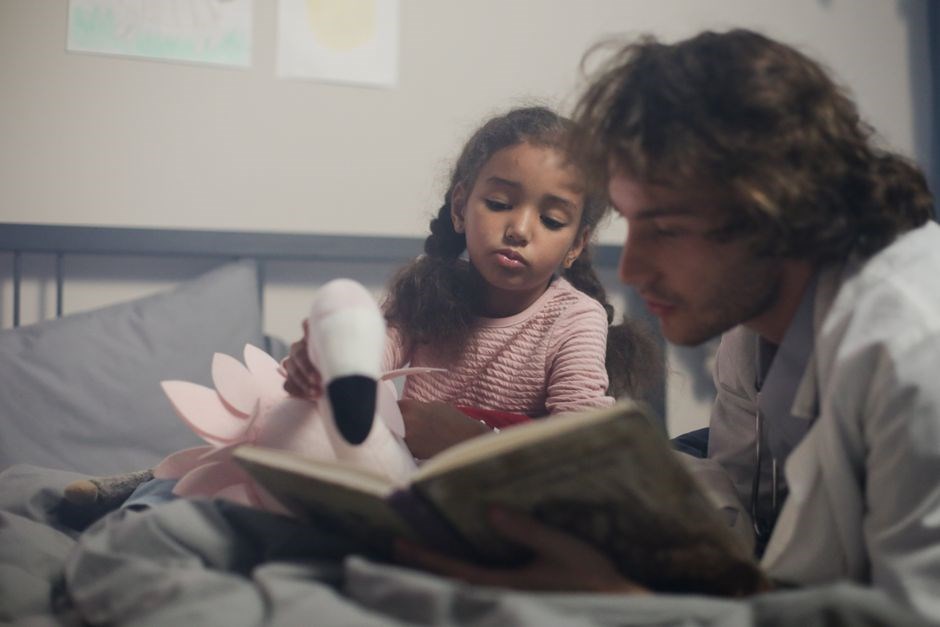
Overview of PDF Bedtime Stories
PDF bedtime stories combine classic tales with digital convenience, offering free and paid collections online. Parents can download, annotate, and share stories like “Baby Giraffe and the Sun.” Tools such as StoryKit and PDF editors enable easy creation and customization. Kids enjoy PDFs with audio daily!?

History and Evolution
In the early 20th century, printed picture books were the primary medium for bedtime storytelling. The 1970s saw the rise of personal computers, but it wasn’t until the 1990s that the Portable Document Format (PDF) emerged, offering a platform‑agnostic way to preserve layout, typography, and embedded images. Early adopters in libraries and schools began converting classic tales into PDFs, allowing for easy distribution across campuses. By the 2000s, the internet made it possible to host thousands of free PDF stories, with communities like r/childrensbooks on Reddit creating dedicated sites that added new tales weekly. Commercial publishers followed suit, producing downloadable collections that could be printed or read on tablets. The 2010s introduced interactive PDFs, embedding audio narration and clickable illustrations, enhancing engagement for young readers. More recently, AI‑driven tools such as Meta’s StoryKit generate personalized PDFs on demand, tailoring characters, settings, and moral lessons to individual preferences. This evolution reflects a shift from static, printed narratives to dynamic, accessible digital experiences that preserve the core of bedtime storytelling while embracing technological innovation.
The transition from analog to digital PDFs was accelerated by the proliferation of e‑readers and tablets in the 2010s, which made bedtime reading more portable. Parents began to curate personalized libraries, selecting stories that matched their child’s developmental stage and interests. Open‑source platforms enabled educators to remix classic tales, adding culturally diverse characters and modern themes. The rise of cloud storage services allowed families to sync PDFs across devices, ensuring that a story could be accessed from a phone, laptop, or tablet. In 2024, Meta’s StoryKit announced beta testing, promising AI‑generated narratives that adapt in real time to a child’s emotional cues, marking a new frontier in interactive bedtime storytelling!–

Benefits of Bedtime Stories for Children
PDF bedtime stories offer calm routines, boost vocabulary, and nurture imagination. They improve sleep quality, reduce anxiety, and foster parent-child bonding through shared reading moments. Digital formats allow personalized tales that adapt to ageand.
Cognitive Development
PDF bedtime stories provide a structured, interactive platform that supports early language acquisition, expands vocabulary, and enhances listening comprehension. By reading or listening to a story in PDF format, children encounter new words in context, reinforcing memory through repeated exposure. The digital format allows parents to highlight, annotate, or add voice‑over notes, turning passive reading into an active learning experience. Studies show that consistent exposure to narrative text improves working memory, as children track plot threads and anticipate outcomes. The visual layout of PDFs—illustrations aligned with text—helps children make associations between images and words, strengthening semantic networks. Moreover, the ability to adjust font size and contrast caters to individual learning needs, reducing cognitive load and allowing focus on content. Interactive PDFs can embed quizzes or reflection prompts, encouraging children to recall details and infer meaning, skills that transfer to problem‑solving tasks. Finally, the bedtime ritual of reading a PDF story fosters executive function by establishing routines, setting expectations, and promoting self‑regulation as children transition from active play to rest. These cumulative effects contribute to a solid foundation for academic success and lifelong learning. Parents can also use the PDF’s search function to find specific words, reinforcing phonemic awareness, while the ability to bookmark pages encourages independent reading habits. This synergy supports literacy.!
Emotional Well-being
PDF bedtime stories create a soothing, predictable routine that eases anxiety and promotes emotional regulation in children. The quiet act of turning pages, coupled with familiar narratives, signals safety and stability, allowing kids to release daytime stress. Interactive PDFs can include gentle illustrations and soft color palettes that calm the mind, while the ability to pause or replay sections lets children process emotions at their own pace. Parents can use the annotation feature to highlight moments of kindness or resilience, sparking conversations about empathy and coping strategies. Studies suggest that regular exposure to stories featuring diverse characters and inclusive themes expands a child’s perspective, reducing prejudice and fostering self‑acceptance. The digital format also enables parents to customize stories—adding family names or familiar settings—making the experience personally relevant and reinforcing a sense of belonging. By encouraging children to reflect on plot outcomes, PDFs help them practice perspective‑taking and emotional insight, skills linked to higher social competence. Moreover, the bedtime ritual of reading a PDF story promotes secure attachment, as the shared activity strengthens parent‑child bonds and provides a comforting anchor before sleep. This combination of routine, empathy, and personalized storytelling supports mental resilience and overall emotional well‑being.
They become confident, curious, and ready to explore the world with wonder.!!??!!

Popular PDF Bedtime Story Collections
Free sites like r/childrensbooks and bedtimestories.kids offer weekly PDFs. Commercial options feature titles such as “Baby Giraffe and the Sun.” AI tools like Meta’s StoryKit generate custom PDFs with illustrations, expanding choice Kids love the variety
Free Online Resources
Parents seeking PDF bedtime stories often turn to community‑driven platforms and dedicated sites that provide free, downloadable content. The subreddit r/childrensbooks hosts a vibrant collection of user‑submitted PDFs, ranging from classic fairy tales to original narratives crafted by amateur writers. The community’s weekly updates keep the library fresh, and the comment sections offer suggestions for related titles and reading strategies.
Another popular destination is the website bedtimestories.kids, which has been curating new PDFs for two years. The site’s structure is simple: a homepage with a rotating banner of the latest stories, a “New Stories” page that lists recent uploads, and a “Categories” section that groups PDFs by age range, theme, or language. Users can download each file directly, and the site encourages contributors to submit their own tales for future inclusion.
Both platforms emphasize accessibility: PDFs are optimized for mobile and desktop viewing, and many titles include optional audio narration. This dual format supports children who prefer listening to reading, and it also aids parents who wish to read aloud while the child follows along on a tablet. The free nature of these resources means that families can build a personalized library without incurring costs, while the community aspect ensures that stories remain engaging and relevant.
These PDFs also support multilingual reading, offering translations in several languages.

Commercial Collections
Commercial PDF bedtime story collections are curated by publishers and online retailers, offering professionally edited narratives, and interactive. Major platforms such as Amazon Kindle, Apple Books, and Google Play Books sell downloadable PDFs that often come bundled with audio narration, bookmarks, and parental controls. These collections typically target specific age brackets—ranging from picture books for toddlers to chapter books for tweens—and are priced between $1.99 and $9.99 per title. Subscription services like Scribd and Audible’s “Kids & Family” tier provide unlimited access to a rotating library of PDF and EPUB formats, allowing families to rotate new stories each month without additional purchase costs. Publishers such as Penguin Random House, HarperCollins, and Scholastic have launched dedicated “Bedtime Stories” series, featuring beloved characters and original tales that reinforce bedtime routines. Many of these titles include printable activity sheets, coloring pages, and companion lesson plans for parents and educators. Licensing agreements ensure that the PDFs are DRM‑protected, preventing unauthorized redistribution while still enabling offline reading on multiple devices. For parents who prefer a one‑time purchase, platforms like Bookshop.org offer a selection of indie authors’ bedtime stories, often at discounted rates during holiday promotions. These commercial collections are praised for their consistent quality, curated themes, and the convenience of instant download, making them a popular choice for families seeking reliable, engaging bedtime content. Parents now can also explore themed bundles that combine stories with bedtime songs, soothing soundscapes, and prompts, creating a holistic nightly ritual that nurtures imagination and calm.

Creating Your Own PDF Bedtime Stories
Use free tools like Canva or Scribus to draft stories, then export as PDF. Add illustrations via Adobe Illustrator or free clip‑arts; Include interactive bookmarks and a simple table of contents. Test on multiple devices. Share the PDF via email or cloud storage, keeping file size under 5 MB and ensure opens.
Writing Tips
Remember to keep the story length appropriate for the child’s attention span—typically 200– for younger kids and up to 800 for older ones. Use active voice and avoid long clauses that can confuse. Incorporate a recurring motif or rhyme scheme to reinforce memory. End each page with a gentle question or thought to encourage reflection before sleep. Use a consistent font size and calm colors for ages all Keep the file size low to ensure loading all devices ! Pay attention to the rhythm of your sentences; a mix of short and long lines can keep a child’s interest alive. When you introduce a new character, give them a distinctive voice or a memorable quirk that children can latch onto. Use sensory language to paint vivid pictures—describe the texture of a blanket, the taste of a snack, or the feel of a breeze. Keep the story’s climax close to bedtime so it doesn’t overstimulate the mind. End with a gentle reassurance that the child is safe and loved. Encourage the child to imagine a peaceful scene, such as a starry sky or a quiet forest, before drifting off. Practice reading the story aloud to gauge its flow and adjust pacing as needed. Ask a trusted adult to listen and suggest tweaks. Finally, consider adding a short reflection question at the end, like “What made you smile today?” to foster a positive mindset before sleep. Consistency in bedtime stories creates a safe routine daily If a story feels too long, split it into two parts: read the first part before bed and the second part the next evening. Keep the font size between 10 and 12 points for readability. Use a simple sans-serif font like Arial or Calibri to reduce eye strain. Avoid overly decorative fonts that may distract from the story. Keep margins wide enough for breathing room. If you add illustrations, use low-resolution images or vector graphics to keep the PDF file size small. Test the PDF on a tablet, phone, and computer to ensure a consistent appearance across devices. Keep it simple. !

Formatting PDFs
When converting bedtime stories to PDF, start by choosing a standard page size such as A4 or US Letter to ensure compatibility across devices. Set uniform margins of 1 inch to give the text breathing room and prevent clipping on small screens. Use a readable sans‑serif font like Arial or Calibri at 12‑point size; avoid decorative fonts that may strain the eyes. Keep line spacing at 1.2 to 1.5 to aid readability. If you include illustrations, embed them as vector graphics or compressed JPEGs to keep the file size under 5 MB; this allows quick loading on low‑bandwidth connections. Add a simple table of contents with clickable links to each chapter—most PDF editors automatically generate bookmarks when you use heading styles. Include page numbers in the footer for easy navigation. For accessibility, embed text layers behind images and use proper heading hierarchy (H1, H2, H3) so screen readers can parse the structure. Finally, test the PDF on multiple platforms—iOS, Android, Windows, and macOS—to confirm that fonts render correctly, images display, and links work. A well‑formatted PDF enhances the bedtime ritual by providing a consistent, soothing visual experience that children can trust and parents can rely on.

Technology and Tools for PDF Story Creation
Popular PDF editors like Adobe Acrobat, Foxit, and LibreOffice Writer embed text, images, and links. Illustration tools such as Illustrator, Procreate, or Canva create vibrant scenes. Meta’s StoryKit auto‑generates narratives, characters, and art, simplifying production. These tools simplify sharing.now
PDF Editors
Adobe Acrobat Pro DC remains the gold standard for bedtime story PDFs, offering precise text formatting, layer control, and the ability to embed audio narration or interactive illustrations. Its “Prepare Form” feature lets authors add hidden fields for future updates, while the “Redact” tool ensures any sensitive data is permanently removed before distribution. It also supports PDF accessibility features, ensuring stories are usable by children with visual impairments.

Free alternatives like Foxit PhantomPDF and LibreOffice Writer provide robust functionality. Foxit supports high‑resolution images, vector graphics, and PDF/A compliance, making it ideal for archival purposes. LibreOffice Writer lets authors write, style, and export directly to PDF. Its lightweight engine also supports form creation, making it easy to add quizzes or prompts for interactive reading. Additionally, the free versions support PDF annotation, which helps educators add interactive prompts for younger readers.
Design‑oriented tools such as Affinity Publisher and Scribus offer drag‑and‑drop page building, precise typography controls, and advanced color management. Both programs support PDF/X standards, preserving color consistency across devices. Affinity Publisher’s PDF export preserves vector quality, ensuring illustrations remain crisp on high‑resolution displays. They also allow embedding of clips, which can be played from the PDF.
Mobile editors like PDF Expert for iOS and Xodo for Android enable on‑the‑go editing, annotation, and cloud integration, allowing parents to tweak stories directly from a tablet or phone. Xodo’s real‑time annotation sync across devices lets multiple users comment on the same story simultaneously. Cloud‑based editors such as Google Docs (with PDF export) or Microsoft Word Online provide real‑time collaboration and version control for multi‑author projects.
Choosing an editor depends on the desired interactivity, need for vector graphics, and distribution method. Each tool shares the common goal of delivering a seamless bedtime experience for children. The right editor empowers authors to focus on storytelling while the software handles the technical polish. Parents can create bedtime stories that captivate young minds and foster a lifelong love of reading.
Illustration Tools
Creating vivid characters and settings is essential for engaging bedtime stories. The most popular vector programs—Adobe Illustrator, Affinity Designer, and Inkscape—offer precise control over shapes, gradients, and layers. Illustrator’s robust brush engine and seamless integration with Adobe Acrobat make it ideal for high‑resolution, print‑ready artwork. Affinity Designer delivers comparable power at a fraction of the cost, supporting both vector and raster workflows. Inkscape, as a free open‑source option, excels at clean line art and is fully compatible with PDF export, ensuring that illustrations remain sharp on any screen.
For artists who prefer a tablet interface, Procreate and Clip Studio Paint provide natural brush strokes and a user‑friendly UI. Procreate’s quick export to PDF and support for 300‑dpi raster images allow authors to embed detailed scenes directly into the bedtime story file. Clip Studio Paint’s extensive comic‑style assets and layer management make it a favorite for storybook layouts that require multiple panels or speech bubbles.
Canva and Figma offer cloud‑based design environments that simplify collaboration. Canva’s drag‑and‑drop library of icons, backgrounds, and fonts lets non‑designers assemble polished illustrations in minutes, while Figma’s vector precision and real‑time sharing support joint projects between illustrators and writers. Both tools export to PDF/A, preserving color fidelity and ensuring that the final bedtime story looks consistent across devices.
For three‑dimensional visual storytelling, Blender and Cinema 4D can generate photorealistic renders that are exported as high‑resolution PNGs or JPEGs. These raster files can then be embedded into the PDF, giving a sense of depth and realism that flat illustrations sometimes lack. When using 3D assets, it is crucial to maintain a consistent lighting scheme and color palette to match the overall tone of the story.
Regardless of the chosen tool, authors should keep the final PDF’s file size in mind. Compressing images with lossless formats, using vector graphics where possible, and applying PDF optimization settings in Acrobat or Ghostscript keep the bedtime story lightweight and fast to load on low‑bandwidth devices; A well‑crafted illustration not only captures a child’s imagination but also enhances the narrative flow, making bedtime a truly magical experience.

Legal and Copyright Considerations
Ensure all PDFs use public domain or licensed material. Obtain author permissions for new stories, and credit illustrators. Apply Creative Commons tags where appropriate. Avoid copyrighted text over without license. Store metadata to prove ownership and compliance. Keep a log daily.
Public Domain Stories
Public domain bedtime stories are a treasure trove for parents and educators to create PDF collections without legal risk!!
Classic tales such as “Goldilocks and the Three Bears,” “The Three Little Pigs,” and “Jack and the Beanstalk” have entered the public domain, allowing free use and distribution of these timeless adventures.
Many authors from the 19th and early 20th centuries, including the Brothers Grimm, Hans Christian Andersen, and Charles Dickens, offer stories no longer subject to copyright, making them ideal for educational use.
Digital libraries such as Project Gutenberg and the Internet Archive offer high‑quality scans and plain‑text versions that can be converted into PDFs with minimal effort, providing ready‑to‑use resources for parents and teachers.
When publishing public domain PDFs, keep the file size small by compressing images and using efficient PDF settings for quick download for families with limited bandwidth. Additionally, adding a simple table of contents with clickable links improves navigation, especially for older children who benefit from visual cues. Including a short disclaimer that the text is public domain protects against future copyright claims, and providing a link to Project Gutenberg adds transparency. Finally, encouraging parents to print or read aloud strengthens bonding and reinforces the story’s moral lessons, making the PDF a valuable educational tool now.
Keep PDFs small by compressing images for quick download. Adding a table of contents with clickable links improves navigation for older children who benefit from visual cues. Including a short disclaimer that the text is public domain protects against copyright claims, and linking to Project Gutenberg adds transparency. Finally, encouraging parents to print or read aloud strengthens bonding and reinforces the story’s moral lessons, making the PDF a valuable educational tool now.